
Serotonin Quantification: How to Measure 5-HT Reliably Across Biological Matrices
April 1, 2026 2026-04-03 10:42Serotonin Quantification: How to Measure 5-HT Reliably Across Biological Matrices
Serotonin Quantification: How to Measure 5-HT Reliably Across Biological Matrices
For research/analytical guidance only. Not for diagnosis or clinical decision-making.
How can serotonin be measured reliably? In practice, the answer depends on three main factors: matrix complexity, pre-analytical control, and method selection.
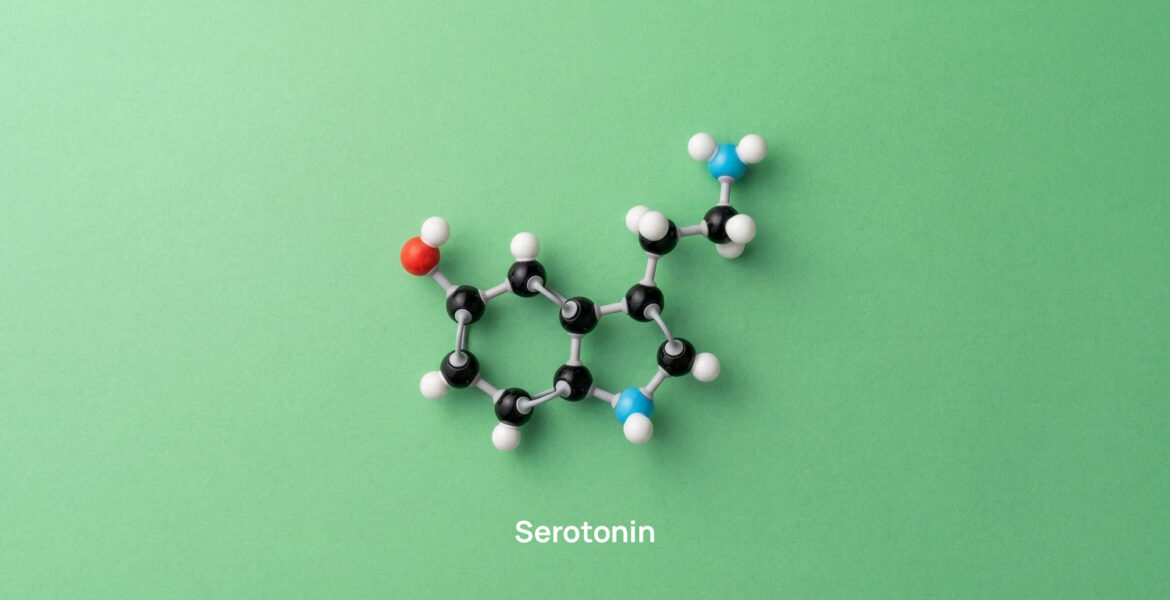
Serotonin, or 5-hydroxytryptamine (5-HT), is a very small biogenic amine (176 Da) that belongs to a structurally crowded family of tryptophan-derived indoles, including tryptamine, melatonin, 5-HIAA, and 5-HTP. This makes selective quantification inherently challenging. Serotonin is also chemically sensitive: without careful handling, it can degrade rapidly in acidic conditions below pH 3, break down more quickly at higher temperatures, and undergo oxidative degradation.
Its biology adds a second layer of complexity. Depending on the matrix, serotonin is distributed across very different biological compartments. In blood, for example, most peripheral serotonin is stored in platelets, whereas only a small free fraction circulates in plasma. As a result, pre-analytical conditions and sample handling can influence measured levels just as much as the analytical method itself.
At Immusmol, we have been developing ELISA workflows for neurotransmitters and tryptophan-pathway metabolites for the past 15 years. During that time, we have supported researchers across a wide range of sample types, from serum, plasma, and urine to brain and gut homogenates, cell-culture supernatants, organoids, insects, and whole-animal extracts.
In this guide, you will find:
Serotonin quantification across matrices: sample matters
Each sample type reflects a distinct biological serotonin pool, covers a different concentration range in physiological and pathological settings, and comes with its own pre-analytical constraints. In the sections below, we review the main matrices used for serotonin quantification, highlighting expected concentration ranges, key applications, pre-analytical best practices, matrix effects and potential interferences to watch for, and the analytical platforms best suited to each sample type.
Serum & EDTA whole blood: routine matrices for the platelet serotonin pool
Serum and EDTA whole blood are practical routine blood matrices when the goal is to measure the platelet-associated serotonin pool. This is biologically coherent because most circulating serotonin is stored in platelets. In whole blood, platelets remain present in the specimen; in serum, clotting triggers platelet serotonin release into the liquid phase. Both matrices are easy to collect, operationally robust, and usually contain serotonin concentrations high enough for routine testing.
Expected concentrations in healthy individuals
- EDTA whole blood: ≤330 ng/mL
- Serum: ≤230 ng/mL
Key applications
- Neuroendocrine tumors / carcinoid syndrome: second-line marker for diagnosis and monitoring; values >400 ng/mL may support this context. First-line testing generally relies on urinary 5-HIAA and serum chromogranin A.
- Neurobiology/Psychiatry research: mood disorders and antidepressant pharmacodynamics, autism-related biomarker studies, stress biology.
Pre-analytics
- Serum: allow blood to clot completely, then separate serum promptly.
- EDTA whole blood: prevent clotting and serotonin oxidation; mix immediately after collection, add ascorbic acid as stabilizer when required by the assay, and freeze rapidly for transport.
Interferences
- Food: serotonin- or tryptophan-rich foods have limited impact on serum and whole-blood serotonin compared with plasma or urine.
- Drugs increasing serotonin: amphetamines, acetanilide, coumarins, ephedrine, guaifenesin, mephenesin carbamate, methocarbamol, MAO inhibitors, acetaminophen, phenacetin, phenobarbital, phentolamine, and reserpine.
- Drugs decreasing serotonin: acetylsalicylic acid, chlorpromazine, isoniazid, levodopa, methenamine, methyldopa, promethazine, SSRIs, and streptozocin.
- Best practice: record serotonergic and platelet-active medications systematically and, when medically appropriate, discontinue them before sampling.
Standard technologies
- LC-MS/MS: high specificity and sensitivity; well-suited to serum and used in clinical/reference labs.
- HPLC with electrochemical detection (HPLC-ECD): classic and still highly relevant for serum and whole blood serotonin measurement.
- HPLC with fluorescence detection: relevant mainly in research workflows.
- Competitive Serotonin ELISA immunoassays: simpler, higher-throughput option for routine research use
Platelet-poor plasma : the free circulating serotonin pool
Platelet-poor plasma (PPP) is the preferred blood matrix for measuring free circulating serotonin rather than the much larger platelet-associated pool. This is biologically important because only a small fraction of blood serotonin is present outside platelets. However, platelet-poor plasma is also the most pre-analytically fragile serotonin matrix: even minor platelet contamination or platelet activation during collection can markedly increase measured values.
Expected serotonin concentrations in healthy individuals
- Typically around 0.5–2 ng/mL in platelet-poor plasma (reported healthy concentrations vary widely across the literature, largely because of differences in plasma preparation protocols rather than biology alone).
Key applications
- Vascular biology / platelet biology: distinguishing free plasma serotonin from platelet-stored serotonin; studying endothelial signaling, thrombosis, and platelet activation.
- Inflammation / gut-immune biology: investigating circulating serotonin as a mediator linking platelets, immune cells, and epithelial biology.
Pre-analytics
- Minimize platelet activation: collect by atraumatic venipuncture with low tourniquet time, mix gently with the appropriate anticoagulant, and process samples quickly, and avoid temperature fluctuations
- Avoid platelet contamination: use two successive centrifugations to remove residual platelets. Highly standardized centrifugation conditions are key because even slight residual platelet contamination can dominate the measured signal.
Interferences
- Food: serotonin- and tryptophan-rich foods can affect serotonin levels in platelet poor plasma; dietary restriction before sampling is recommended.
- Medication: SSRIs/SNRIs and other serotonergic or platelet-active medications can alter platelet serotonin storage in vivo and artifactual serotonin release during sample handling.
- Lifestyle factors: smoking, alcohol, and other pre-collection exposures may affect results and should be standardized or recorded.
- Best practice: treat platelet-poor plasma as a high-sensitivity pre-analytical matrix. Standardize anticoagulant, centrifugation, timing, diet restrictions, and handling conditions across all samples.
Standard technologies
- LC-MS/MS: highly relevant for PPP because serotonin concentrations are very low and strong analytical specificity is needed.
- HPLC with electrochemical detection (HPLC-ECD): one of the classic reference methods for PPP serotonin; widely used in older and foundational studies.
- HPLC with fluorescence detection / derivatization: also relevant for PPP, especially in research workflows requiring extra sensitivity.
- Serotonin ELISA: used in PPP studies, but we recommend the use of well-validated assays because specificity & sensitivity are crititical.
Isolated Platelets: platelet serotonin storage and secretion
Isolated platelets are the most direct matrix for studying platelet serotonin storage and secretion. Platelets indeed constitute the main peripheral reservoir of serotonin and actively release it upon activation. Unlike serum and whole blood, which reflect the platelet pool indirectly, isolated platelets allow to assess platelet serotonin content itself and to study serotonin release as a functional secretion readout.
Expected serotonin concentrations in healthy individuals
- Hundreds of ng per 109 platelets; published values vary by method and cohort. One study reported approximately 748 ± 448 ng/109 platelets.
Key applications
- Platelet biology / hemostasis / thrombosis: studying dense-granule content, platelet activation, and secretion defects.
- Inherited platelet disorders: serotonin release is a classic functional readout in dense-granule secretion defects and storage pool disorders.
- Drug-response studies: assessing the effects of serotonergic drugs or platelet-active compounds on platelet serotonin content or release.
- Neurobiology / psychiatry research: peripheral platelet serotonin has been explored in autism-related and impulsivity-related studies.
Pre-analytics
- Avoid unintended platelet activation: use a standardized protocol based on gentle handling, centrifugation, pipetting to prevent activation and serotonin release.
- Control leukocyte and red-cell contamination, which can alter platelet behavior, increase noise, and introduce inflammatory or oxidative artefacts.
- Normalize results to platelet count.
Interferences
- The main risk is artifactual serotonin release during preparation rather than dietary or drug interference.
Standard technologies
- HPLC with electrochemical detection (HPLC-ECD): classic standard for platelet serotonin content in isolated platelets or platelet-rich plasma.
- LC-MS/MS: highly relevant modern alternative, especially when high specificity is needed.
- ELISA / immunoassays: used in research for platelet lysates/content
- Radiolabeled serotonin release assay (SRA): the classic functional method for platelet serotonin release assays
Urine: serotonin excretion
Urine is a practical, noninvasive matrix when the goal is to assess serotonin excretion. It is easy to collect and usually available in large volumes, which makes it attractive for routine testing and longitudinal studies. However, urinary serotonin is more vulnerable than serum or whole blood to dietary effects, collection quality, and lifestyle-related interferences.
Expected concentrations in healthy individuals
- 24-hour urine: ≤210 µg/24 h (all urine is collected over a 24-hour period; collection typically requires acid preservative and refrigerated storage during the collection window).
- Second-morning urine: 100–225 µg/g creatinine in some studies (requires acid stabilization and creatinine normalization; not a universally standardized reference range).
Key applications
- Neuroendocrine tumors / carcinoid syndrome: complementary marker in serotonin-secreting tumors, although urinary 5-HIAA remains the better-established first-line analyte in many settings.
- Gut–brain-axis and metabolism research: noninvasive monitoring of peripheral serotonergic metabolism.
- Nutritional and exposure studies: assessing how diet or environmental factors affect serotonin-related outputs.
Pre-analytics
- Stabilize urine with acetic acid to preserve serotonin during collection and storage.
- Keep urine refrigerated during collection to limit serotonin degradation.
- Record total collected volume for 24-hour urine, and measure creatinine for normalization in second-morning urine.
Interferences
- Food: serotonin- and tryptophan-rich foods can markedly increase urinary serotonin, including avocados, bananas, plums, walnuts, pineapple, eggplant, plantain, tomatoes, kiwi, dates, grapefruit, and melons.
- Nicotine: heavy smoking should be avoided during collection.
- Drugs: lithium, MAO inhibitors, methyldopa, morphine, and reserpine may increase urinary serotonin, whereas SSRIs may decrease it and cause false-negative results.
- Best practice: standardize diet, smoking, and medication exposure before sampling.
Standard technologies
- HPLC with electrochemical detection (HPLC-ECD): classic method for urinary serotonin; long used in clinical and research workflows.
- LC-MS/MS: modern method with strong specificity and sensitivity for urine serotonin measurement.
- Urinary Serotonin ELISA: used as simpler routine or research alternatives. Validated competitive assays are required to ensure relevant specificity and sensitivity.
Cerebrospinal fluid: challenging for serotonin, better suited to 5-HIAA
CSF is the most direct routinely accessible fluid when the question concerns central serotonergic biology, but unfortunately direct serotonin measurement in CSF is analytically challenging because concentrations are extremely low. In fact, for many applications CSF 5-HIAA is more established than CSF serotonin itself.
Expected 5-HT concentrations in healthy individuals
- Human lumbar CSF serotonin: <10 pg/mL
Key applications
- Neuropsychiatry / neurobiology: studies of central serotonergic function, mood disorders, suicidality, and neurotransmitter turnover.
- Neurodegeneration / neurology: exploratory work in central nervous system disorders.
- Developmental and translational neuroscience: when direct central compartment information is needed.
Pre-analytics
- Use a highly standardized lumbar puncture protocol and record the sampled fraction/volume. CSF monoamines can show rostrocaudal gradients, so variation in collection fraction or total volume can affect comparability across samples and studies.
- Process samples immediately and freeze rapidly, ideally at −80°C. Avoid repeated freeze–thaw cycles; aliquoting into small volumes is good practice for low-abundance CSF analytes.
Technologies
- Direct CSF serotonin measurement is analytically demanding, and even a recent ultrasensitive LC–MS/MS study found direct serotonin quantification in healthy lumbar CSF to be unreliable.
- CSF 5-HIAA is more readily detectable and more established than direct CSF serotonin in many neurochemical applications.
Mouse and zebrafish brain homogenates, and cerebral organoid homogenates: local bulk serotonin content
Mouse and zebrafish brain homogenates are widely used in preclinical neuroscience and are particularly valuable when serotonin is interpreted in relation to cognition, behavior, aging, stress, or pharmacologic intervention. Cerebral organoid homogenates can serve a similar purpose in developmental and translational neuroscience, when serotonergic biology is studied in human-derived CNS models.
Expected serotonin concentrations
- No universal reference interval can be defined for brain or organoid homogenates, because measured serotonin values vary substantially with species, brain region, developmental stage, extraction workflow, and normalization strategy.
- For assay-planning purposes, a practical working range for rodent brain homogenates is around 0.1–1 ng/mg tissue.
Key applications
- Memory, cognition, and aging research: assessing serotonin changes in learning, memory decline, and neuroprotection studies.
- Behavioral neuroscience / stress biology: measuring brain 5-HT in stress or antidepressant-response models.
- Developmental neurobiology and neuropharmacology: evaluating serotonergic modulation in CNS models, including cerebral organoids.
Pre-analytics
- Dissect rapidly and keep everything cold. This limits post-mortem metabolism, oxidation, and enzymatic degradation of serotonin.
- Snap-freeze tissue and store at −80°C when not processed immediately. Repeated freeze–thaw cycles should be avoided.
- Use a standardized homogenization buffer and protocol. For monoamine work, acidic extraction is common, often with perchloric acid, and some protocols include EDTA and/or antioxidants such as sodium metabisulfite, ascorbate, or cysteine to improve serotonin stability.
- Keep tissue-to-buffer ratio, homogenization device, and centrifugation conditions constant. These parameters change extraction yield and comparability across samples.
- Define a consistent normalization strategy such as ng/mg tissue, ng/mg protein, or amount per whole structure or organoid.
Challenges
- Matrix complexity: proteins, lipids, pigments, and endogenous oxidants released during homogenization can affect quantification. Matrix effects, recovery, and dilution integrity should therefore be evaluated in the actual extract matrix.
- Best practice: Treat brain and organoid homogenates as fit-for-purpose comparative matrices and interpret results within a standardized workflow rather than against a universal “normal” range.
Relevant technologies
- LC-MS/MS: highly relevant for mouse and zebrafish brain homogenates and also applicable to cerebral organoid homogenates; it offers high specificity, high sensitivity, and multiplex neurotransmitter profiling in complex tissue extracts.
- HPLC with electrochemical detection (HPLC-ECD): a classic standard for serotonin and other biogenic amines in brain homogenates, including mouse brain tissue.
- ELISA / immunoassays: a practical, low-equipment, higher-throughput option for brain tissue and organoid homogenates. Immusmol’s ultra-sensitive serotonin ELISA has been used in published studies on mouse brain tissue, including whole brain, cortex, hippocampus, and amygdala.
Peripheral tissue homogenates, especially gut: local peripheral serotonin content
Among non-neural tissues, gut may be the most relevant matrix, because enterochromaffin cells in the gastrointestinal tract produce the vast majority of peripheral serotonin. This makes intestinal homogenates particularly informative in rodent models of gut physiology, inflammation, microbiota–host interactions, visceral sensitivity, and gut–brain axis biology.
Expected serotonin concentrations
- No universal reference interval can be defined, because values depend on the organ, species, segment sampled, extraction workflow, and normalization method.
- For rodent gut tissue, published values can vary markedly by intestinal segment; for example, reported colonic tissue levels range from about 3.3 ng/mg wet tissue in distal colon to 15.2 ng/mg wet tissue in proximal colon, while another study reported roughly 25–35 ng/mg tissue in colon lysates depending on microbiota status.
Key applications
- Gut physiology and motility: assessing local serotonin involved in secretion, motility, and enteric signaling.
- Inflammation and mucosal immunology: studying serotonergic regulation of intestinal inflammation, barrier function, and immune responses.
- Microbiota–host interaction and gut–brain axis research: evaluating how microbial composition or metabolites modulate tissue serotonin production.
- Metabolic and peripheral serotonin biology: extending to other tissues such as pancreas, adipose tissue, liver, heart, lung, skin, or spleen when the biological question concerns local peripheral serotonin signaling.
Pre-analytics
- Dissect rapidly and keep samples cold to limit post-mortem metabolism, oxidation, and enzymatic degradation.
- Snap-freeze tissue and store at −80°C if not processed immediately; avoid repeated freeze–thaw cycles.
- Use a standardized acidic extraction / homogenization protocol, because recovery depends strongly on buffer composition, tissue-to-buffer ratio, and centrifugation conditions.
- Define a consistent normalization strategy, such as ng/mg wet tissue, ng/mg protein, or amount per tissue segment, and keep it constant across the study.
Challenges
- Matrix complexity: tissue homogenates contain proteins, lipids, pigments, digestive contents, and endogenous oxidants that can affect extraction efficiency and quantification.
- Regional heterogeneity: serotonin content varies substantially across tissue compartments and intestinal segments.
- Best practice: validate matrix effects, recovery, and dilution integrity in the actual extract matrix, and interpret results comparatively within a standardized workflow rather than against a universal baseline.
Relevant technologies
- LC-MS/MS: highly relevant for tissue homogenates because it combines high specificity and sensitivity in complex matrices.
- HPLC with electrochemical detection (HPLC-ECD): a classic standard for serotonin and other biogenic amines in tissue extracts.
- ELISA / immunoassays: a practical, low-equipment, higher-throughput option for tissue homogenates. Immusmol’s ultra-sensitive serotonin ELISA has been used, for example, to measure serotonin in rat gut homogenates.
Whole-animal homogenates (C. elegans and insects): small-organism serotonin physiology
Whole-animal homogenates are useful when the model organism is too small for compartment-specific sampling or when the biological question concerns integrated organism-level serotonin biology. This is especially relevant in C. elegans, insects, and other small model organisms, where serotonin regulates whole-organism functions such as feeding, locomotion, reproduction, arousal, and stress-related behavior.
Expected concentrations in healthy individuals
- In this matrix class, results are generally most meaningful in comparative experimental designs rather than against a single fixed baseline.
Key applications
- Developmental biology and aging: studying serotonergic regulation of lifespan, development, and healthspan.
- Metabolism and feeding behavior: serotonin is a major regulator of ingestion and metabolic state in small model organisms.
- Insect neurobiology and immunity: whole-organism serotonin can support behavioral, metabolic, and innate immune studies.
Pre-analytics
- Homogenize specimens under cold conditions.
- Use a standardized buffer system such as cold PBS with 0.1% ascorbic acid for small-organism extracts.
- Normalize consistently to organism number, body mass, protein content, or extract volume depending on the study design.
Challenges
- Sample scarcity: tiny organisms yield very limited extract volumes.
- Whole-body matrix complexity: pigments, cuticle-derived material, proteins, and other whole-body components may affect recovery. This is why matrix validation is important.
- Best practice:use a sensitive low-volume assay, standardize homogenization and normalization, and interpret values comparatively within the experimental system.
Relevant technologies
- LC-MS/MS: combines high sensitivity, strong specificity, and compatibility with very low sample input; it has been applied to C. elegans homogenates and to single-fly biogenic amine profiling, including serotonin.
- HPLC with electrochemical detection (HPLC-ECD): a classic standard for measuring serotonin and other biogenic amines in small-organism and insect extracts.
- ELISA / immunoassays: Immusmol’s ultra-sensitive serotonin ELISA is explicitly cited for 5-HT measurement in C. elegans, insects, and whole-animal extracts, offering a simpler, lower-equipment, and higher-throughput option.
2D and 3D cell-culture supernatants: secreted serotonin in functional models
Cell-culture supernatants are especially relevant in 2D and 3D systems because they capture active serotonin release into the extracellular environment.
Expected serotonin concentrations
- There is no physiological reference range because concentrations depend entirely on the model system, stimulation conditions, medium composition, and sampling time. In many 2D and 3D systems, serotonin may be present at very low concentrations, which is why low-pg/mL sensitivity is valuable.
Key applications
- Enterochromaffin and gut organoid biology: measuring serotonin release from intestinal models.
- Epithelial–immune co-cultures and inflammation models: studying regulated serotonergic secretion.
- Drug screening and functional assays: monitoring changes in serotonin release following stimulation or treatment.
- Stem-cell differentiation models: assessing whether differentiating cultures acquire a serotonergic secretory phenotype.
Pre-analytics
- Collect supernatants promptly at the defined endpoint to avoid continued serotonin release, uptake, or degradation after sampling.
- Clarify samples by centrifugation to remove cells and debris before storage or analysis.
- Keep samples cold during handling and freeze rapidly if not analyzed immediately; avoid repeated freeze–thaw cycles by aliquoting into small volumes.
- Antioxidants or acidifying reagents may be used to stabilize serotonin in supernatants, but their suitability is method-dependent.
- Standardize collection timing, stimulation conditions, and sampling volume across wells and experiments, since extracellular serotonin depends strongly on kinetics and culture conditions.
Challenges
- Medium composition: phenol red, serum supplements, proteins, antioxidants, and other additives may affect recovery or immunoassay behavior. The assay should therefore be validated in the exact culture medium used. Poorly diluted or undiluted samples may give biased results because of matrix effects.
- Method validation: include blank-medium controls, spike-recovery, and dilution-integrity checks before study launch.
- Low abundance: secreted serotonin may be near the lower end of conventional assays.
- Best practice Validate linearity and spike recovery in the exact culture medium, and if needed prepare standards in a matched diluted matrix when the medium itself affects recovery or signal behavior.
Technologies
- LC-MS/MS: highly relevant for cell-culture supernatants because it combines high sensitivity and strong specificity in complex media, especially when serotonin is present at very low concentrations.
- HPLC with electrochemical detection (HPLC-ECD): a classic standard for serotonin measurement and well suited to extracellular release studies.
- ELISA / immunoassays: a practical, low-equipment, higher-throughput option for 2D and 3D culture supernatants. Immusmol’s high-sensitive serotonin ELISA is particularly relevant for these applications because its low-pg/mL sensitivity is well-suited to low-abundance secreted serotonin, provided the assay is validated in the exact culture medium used.
Stem-cell-derived cell therapy products: serotonergic purity and functional characterization
In stem-cell-derived cell therapy products, serotonin can serve as a functional orthogonal readout for product characterization, especially in neural differentiation workflows. In Parkinson’s disease cell therapy, serotonergic contamination of dopaminergic grafts has been linked to dyskinesia risk, which makes serotonergic output an important characterization parameter.
Expected serotonin concentrations
- There is no normal reference range. Measured serotonin depends on the cell product type, differentiation state, stimulation conditions, and sampled matrix, including cell lysates, whole-product extracts, conditioned media, or secretion assays.
- Serotonin values are therefore best interpreted as process- and product-specific QC or characterization data, rather than as absolute physiological norms.
Key applications
- Parkinson’s disease cell therapy development: checking for serotonergic contamination in dopaminergic differentiation workflows.
- Stem-cell differentiation and lineage characterization: determining whether cultures acquire serotonergic features.
- Product comparability and process development: using serotonin as a functional release or content marker alongside transcriptomic and immunophenotypic readouts.
Pre-analytics
- Define the biological matrix clearly before study launch: serotonin measured in cell lysates, whole-product extracts, conditioned media, or release assays reflects different biological pools and should not be interpreted interchangeably.
- Standardize sampling time, stimulation conditions, and collection workflow, because serotonin release and intracellular content are highly dependent on culture state and assay timing.
- For supernatants, collect promptly, clarify by centrifugation, keep cold, and freeze rapidly if not analyzed immediately; avoid repeated freeze–thaw cycles.
- For lysates or whole-product extracts, use a standardized lysis or homogenization protocol, with fixed buffer composition, extraction conditions, and normalization strategy.
- Define a consistent normalization approach, such as per cell number, per total protein, per organoid/aggregate, or per batch unit, depending on the product format.
- Validate the assay in the actual product matrix, including any associated culture medium, excipient, or lysis buffer, because these components may affect recovery or signal behavior.
Challenges
- Matrix heterogeneity: cell products may contain media components, proteins, differentiation supplements, or lysis reagents that affect recovery.
- Biological interpretation: serotonin may indicate true serotonergic lineage, partial contamination, or regulated secretion, depending on the workflow and sampled matrix.
- Best practice: use serotonin as a complementary functional marker, not as a standalone identity marker, and interpret it together with lineage markers and orthogonal analytical readouts.
Technologies
- LC-MS/MS: highly relevant when high specificity and sensitivity are required across complex product matrices, including lysates and conditioned media.
- HPLC with electrochemical detection (HPLC-ECD): a classic standard for serotonin and other biogenic amines in cell extracts and secretion studies.
- ELISA / immunoassays: a practical, low-equipment, higher-throughput option for conditioned media, lysates, or product extracts, provided the assay is validated in the exact matrix used. Immusmol’s ultra-sensitive dopamine and serotonin ELISA kits are currently used in cell therapy research workflows that require sensitive monoamine quantification.
Which platform is right for serotonin quantification?
For most serotonin studies, the main analytical platforms are ELISA, LC-MS/MS, and HPLC-ECD.
ELISA is best for targeted serotonin quantification, especially across multiple samples and in low-volume or routine workflows.
LC-MS/MS is best when maximum analytical specificity or multi-analyte profiling is required.
HPLC-ECD is best in laboratories already running established monoamine workflows.
At Immusmol, we developed two complementary serotonin ELISA formats:
an ultra-sensitive serotonin ELISA for platelet-poor plasma, CSF, tissue homogenates, whole-animal extracts, supernatants, and stem-cell-derived products.
ELISA vs LC-MS/MS vs HPLC-ECD for serotonin quantification (quick comparison)
(Typical patterns; exact performance depends on method, matrix, and lab setup.)
| Criterion | Serotonin ELISA | LC-MS/MS | HPLC-ECD |
|---|---|---|---|
| Best for | Targeted serotonin quantification in routine and challenging research samples | Highest specificity, confirmatory analysis, and multi-analyte profiling | Established monoamine and neurochemistry workflows |
| Typical matrices | Serum, whole blood, platelets, tissues, supernatants, organoids, whole-animal extracts | Complex blood, CSF, tissues, multiplex metabolite panels | Brain tissue, neurochemical samples, established monoamine extracts |
| Multiplexing | Usually single analyte | Strong | Moderate (separation-dependent) |
| Specificity | Antibody and assay chemistry dependent | Very high | High if chromatographic separation is clean |
| Sensitivity for low-abundance matrices | Good to very high depending on kit format | High | Moderate to high depending on workflow |
| Throughput | High (96-well format) | Medium | Medium |
| Instrumentation | Plate reader | LC-MS/MS platform | HPLC + ECD |
| Main limitation | Matrix effects and compartment interpretation remain critical | Higher infrastructure and method-development burden | Co-elution, baseline drift, and operator dependence |
| Sample volume | Can be very low depending on the workflow | Injection small; preparation may require more | Preparation-dependent |
For researchers choosing an ELISA workflow, the next step is to match the assay format to the sample type and expected serotonin concentration range.
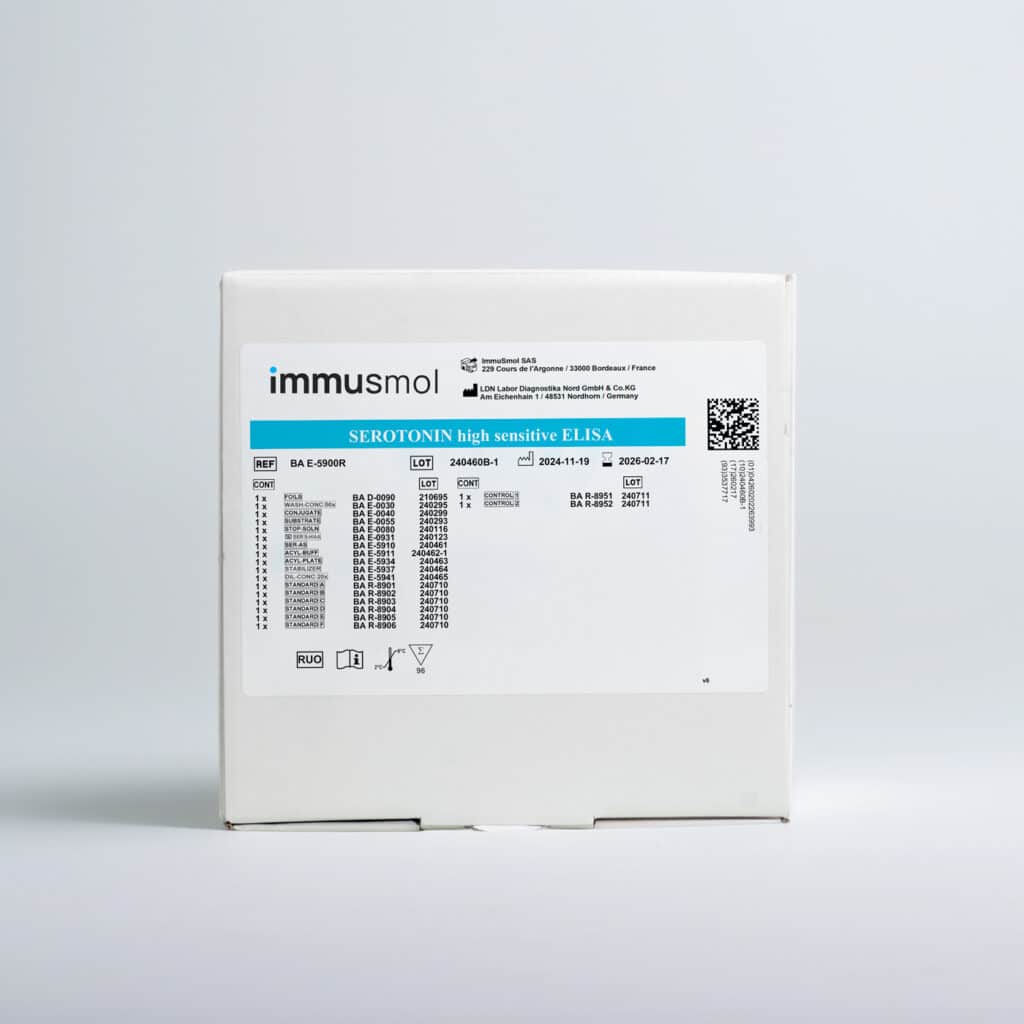
- Samples: any species, any sample type, including homogenates & supernatants
- LOD/sensitivity: 5 pg/mL
- Range: 0.015–2.5 ng/mL,
- Minimal sample volume: 1 µL
- Assay time: Overnight
- Citations: 25+ papers
- Intended use: Research use only
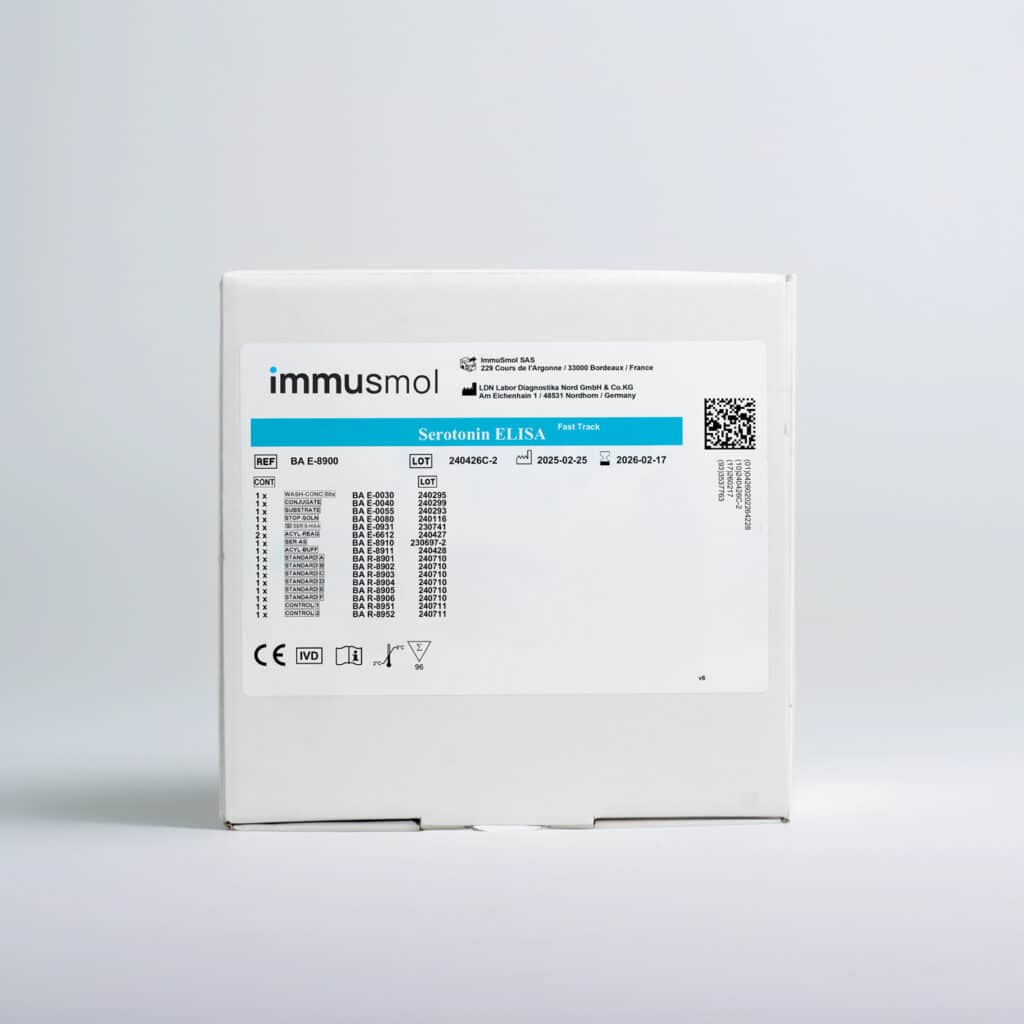
- Samples: serum and urine from any species
- LOD/sensitivity: 5.9 ng/ml
- Range: 0 / 15 – 2 500 ng/mL
- Minimal sample volume: 20 µl
- Assay time: 2h15
- Citations: 5 papers
- Intended use: RUO or IVD (EU only)
The main pitfalls in serotonin ELISA workflows
Serotonin ELISA is a practical and highly effective solution for targeted 5-HT quantification across routine and challenging research samples. But like all small-molecule immunoassays, it performs best when the assay format, sample preparation, and matrix are properly aligned. In most cases, inconsistent or misleading ELISA results do not come from the plate reader itself. They come from matrix mismatch, inadequate validation, low-volume handling errors, or poor control of assay conditions.
Below are the most common pitfalls we see in serotonin ELISA workflows — and how to avoid them.
Pitfall 1 — Using the wrong ELISA format for the sample
Not all serotonin ELISA workflows are suited to the same matrices. Standard blood-based samples such as serum, urine, or platelet-associated workflows usually contain serotonin concentrations high enough for a routine ELISA format. By contrast, platelet-poor plasma, CSF, low-volume supernatants, organoids, brain homogenates, whole-animal extracts, and stem-cell-derived products may require a sensitive format and more careful matrix validation.
How to avoid it:
Choose the ELISA format based first on the sample type and expected concentration range. For standard blood-based analysis, prioritize speed and robustness. For low-abundance or challenging matrices, prioritize sensitivity and matrix flexibility.
Pitfall 2 — Assuming a serum-ready assay will work unchanged in a difficult matrix
A serotonin ELISA that performs well in serum does not automatically perform well in cell culture medium, tissue homogenates, organoid supernatants, insect extracts, or stem-cell product lysates. These matrices may contain proteins, pigments, supplements, phenol red, lipids, endogenous oxidants, or other compounds that alter recovery or signal behavior.
How to avoid it:
Before launching a study, verify spike recovery, dilution linearity, and repeatability in the exact matrix you plan to use. Difficult samples should always be treated as fit-for-purpose matrices, not as extensions of serum validation.
Pitfall 3 — Working near the lower end of the assay without checking sensitivity in the real matrix
Some serotonin samples are comfortably above the assay range. Others are not. Platelet-poor plasma, CSF, low-secretion supernatants, and some stem-cell-derived products may sit near the lower limit of the assay, where small handling differences can produce large relative errors.
How to avoid it:
Check that the expected serotonin concentration is compatible with the selected ELISA format in the actual matrix. If the analyte is likely to be near the detection limit, use the more sensitive Serotonin ELISA kit and confirm that blank matrix, low spike, and lowest calibrator performance are acceptable.
Pitfall 4 — Low-volume pipetting errors
One of the strengths of serotonin ELISA is that it can work with very small sample volumes. But low-volume handling also increases the impact of pipetting error, especially in precious matrices such as mouse plasma, CSF, brain extracts, organoids, insect homogenates, or rare cell products.
How to avoid it:
Use calibrated low-volume pipettes, experienced operators, and duplicates whenever possible. If the workflow allows it, prepare a larger diluted working aliquot rather than repeatedly pipetting directly from the original sample. Small volumetric errors matter more than many users expect when working close to the low end of the assay.
Pitfall 5 — Ignoring matrix-specific standard curve effects
In some serotonin ELISA workflows, especially with non-standard matrices, samples may not behave like the calibrators because the standard curve is prepared in assay buffer rather than in a matrix-matched environment. This can create apparent under-recovery or over-recovery.
How to avoid it:
When strong matrix effects are suspected, compare recovery in buffer versus the actual diluted sample matrix. For challenging media or homogenates, it can be useful to test a matrix-adjusted calibration strategy if it is compatible with the assay design.
Pitfall 6 — Inconsistent acetylation / derivatization / sample-prep execution
Small-molecule immunoassays often depend on strict consistency in sample preparation steps. Even when the assay itself is robust, variability in preparation timing, mixing, reagent equilibration, or incubation order can introduce plate-to-plate or operator-to-operator drift.
How to avoid it:
Standardize the workflow tightly:
- same reagent equilibration time,
- same mixing procedure,
- same order of addition,
- same incubation timing across wells,
- same operator technique when possible.
For large studies, run a short fit-for-purpose validation first and lock the SOP before processing the full cohort.
Pitfall 7 — Edge effects and temperature drift during the ELISA run
This is a classic immunoassay issue, but it matters especially in small-molecule competitive ELISAs because relatively small signal shifts can translate into significant concentration differences. Long setup times, uneven incubation conditions, and evaporation can create well-position effects.
How to avoid it:
Bring reagents to the correct temperature consistently, use plate sealers, avoid prolonged plate setup delays, and keep incubation conditions uniform across the plate. If needed, reserve perimeter wells for controls during method establishment.
Pitfall 8 — Comparing values across matrices as if they were interchangeable
This is partly a biological issue, but it becomes an ELISA interpretation error when users compare results generated by the same assay across serum, platelet-poor plasma, platelets, tissues, and supernatants as though they represented the same serotonin pool. Even with the same ELISA platform, these are different biological compartments.
How to avoid it:
Interpret ELISA results in the context of the matrix and serotonin pool. A good serotonin ELISA gives a robust measurement of what is present in the sample — but it is still the user’s job to make sure the sample corresponds to the biological question.
Pitfall 9 — Skipping minimum fit-for-purpose validation before a large study
This is one of the most common avoidable mistakes. Users sometimes move directly from a promising pilot sample to a full study without checking whether the assay behaves acceptably across their matrix range, storage conditions, and concentration levels.
Before starting a large serotonin ELISA study, run at minimum:
- spike recovery,
- dilution linearity,
- intra-run precision,
- inter-run precision if multiple plates or days are involved,
- and basic sample stability under your actual storage conditions.
That small validation step prevents most downstream surprises.
Frequently asked questions
What is the best method to quantify serotonin: ELISA, LC-MS/MS, or HPLC-ECD?
It depends on the matrix, the expected serotonin concentration, and whether the project is focused on targeted 5-HT quantification or broader metabolite profiling. ELISA is often the most practical option for targeted serotonin measurement across routine and challenging research samples, LC-MS/MS is preferred when maximum specificity or multiplexing is required, and HPLC-ECD remains highly relevant in established monoamine and neurochemistry workflows.
What is the difference between serum serotonin and platelet-poor plasma serotonin?
Serum reflects a platelet-influenced serotonin pool, because clotting releases serotonin from platelets into the sample. Platelet-poor plasma reflects the much smaller free circulating serotonin pool and is therefore much more sensitive to platelet contamination and pre-analytical variation.
Which matrices are most commonly used for serotonin quantification?
The most common matrices include serum, EDTA whole blood, platelet-poor plasma, isolated platelets, urine, CSF, brain homogenates, whole-animal homogenates, cell-culture supernatants, and stem-cell-derived products. The most appropriate matrix depends on whether the study aims to assess platelet-associated serotonin, free circulating serotonin, local tissue serotonin, or secreted serotonin.
Why is platelet-poor plasma so difficult to analyze for serotonin?
Because most serotonin in blood is stored in platelets. Even small amounts of residual platelets or platelet activation during collection can markedly increase the apparent plasma serotonin concentration. For this reason, platelet-poor plasma requires especially tight control of centrifugation, handling, and timing.
When should I choose a serotonin ELISA over LC-MS/MS?
A serotonin ELISA is often the better choice when the goal is targeted 5-HT quantification, especially across many samples or in workflows where throughput, low sample volume, and operational simplicity matter. LC-MS/MS becomes more attractive when maximum specificity, confirmatory analysis, or simultaneous measurement of related metabolites is required.
Can serotonin ELISA be used on difficult research samples such as tissue homogenates or cell-culture supernatants?
Yes, provided the assay is appropriate for the expected concentration range and the matrix is validated properly. Difficult samples such as brain homogenates, whole-animal extracts, organoids, or cell-culture supernatants may require a more sensitive serotonin ELISA kit and matrix-specific checks such as spike recovery and dilution linearity.
What are the most common causes of inaccurate serotonin ELISA results?
The most common causes are using the wrong assay format for the matrix, assuming serum validation transfers directly to difficult samples, working near the lower end of the assay without checking sensitivity in the real matrix, low-volume pipetting errors, and skipping fit-for-purpose validation before starting a larger study.
Do I need to validate a serotonin ELISA in my exact sample matrix?
Yes. A serotonin ELISA that performs well in serum may not behave the same way in platelet-poor plasma, tissue homogenates, supernatants, organoid media, or stem-cell-derived products. At minimum, difficult matrices should be checked for spike recovery, dilution linearity, and reproducibility before use in a full study.
Conclusion
Serotonin quantification is challenging not simply because 5-HT is a small molecule, but because it is biologically compartmentalized, structurally demanding, and highly sensitive to matrix selection and sample handling.
In practice, reliable serotonin data comes from aligning three elements: the biological question, the relevant serotonin pool, and the analytical workflow. Once the right matrix has been selected, the choice of platform becomes much clearer.
When broad metabolite profiling or maximum analytical specificity is required, LC-MS/MS may be the preferred option. But for targeted serotonin quantification across standard blood-based samples and challenging research matrices, fit-for-purpose 5-HT ELISA kits are often the most practical and efficient solution.

Dominique Bodet, PhD
Dominique is R&D Director – Antibodies & Immunoassays at ImmuSmol. A biochemist with 25+ years of experience, he specializes in developing anti-hapten antibodies and immunoassays for the detection and quantification of small molecules. At ImmuSmol, Dominique has supported 600+ customers worldwide in assay selection, validation, and troubleshooting, helping researchers achieve reliable results with antibody- and ELISA-based bioanalytical solutions.